The History of Fly Fishing in Alaska

The Evolution of Fly Fishing in Alaska: A Legacy Written in Wild Rivers
Where Wilderness Meets Water
Alaska’s rivers have long carried a mystique that few other places on Earth can match — wild, remote, and alive with fish. The image of a lone angler standing in a cold current, line arcing through the air beneath an endless sky, is as iconic as the northern lights themselves.
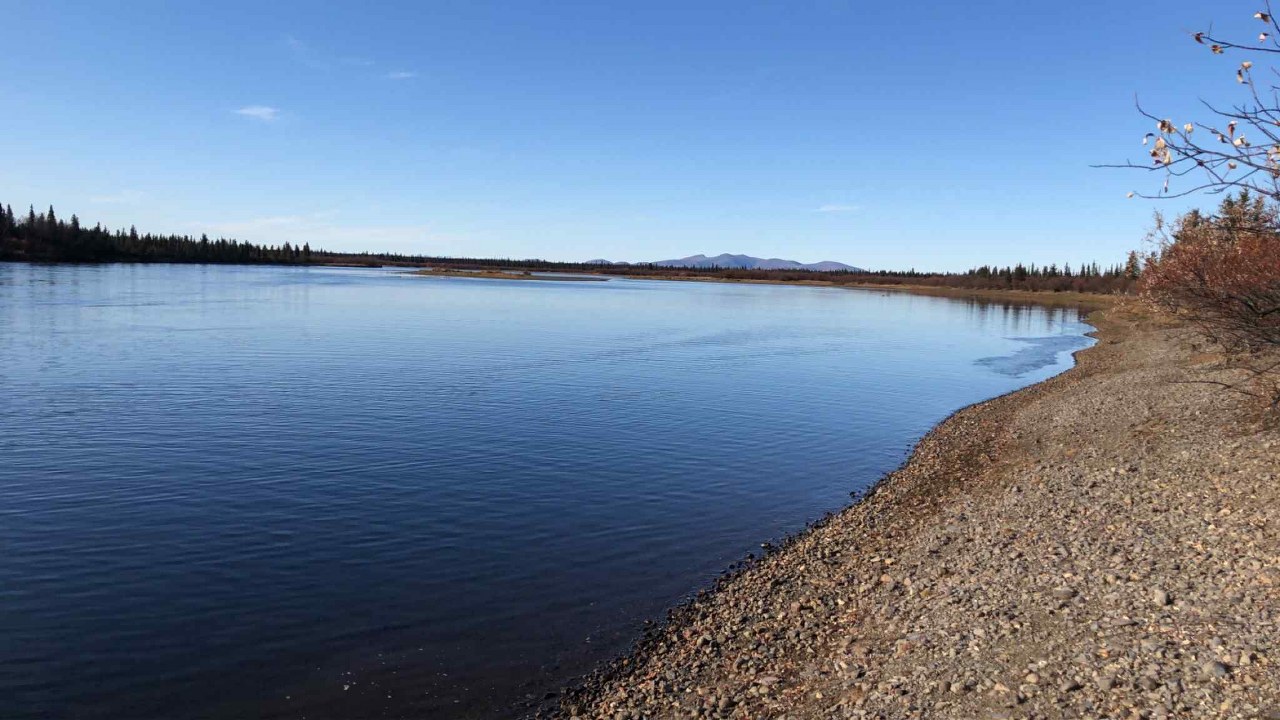
Among the countless waterways that lace this vast state, one river stands out for its blend of isolation, diversity, and opportunity: the Upper Nushagak River, near the small Yup’ik village of Koliganek. Today, anglers travel from around the world to cast flies here for silver salmon, rainbow trout, Dolly Varden, northern pike, and Arctic grayling. But the story of fly fishing in this region — and in Alaska as a whole — stretches back much further, through decades of exploration, cultural exchange, and an enduring respect for the wild.
Early Roots: Indigenous Traditions and River Life
Long before the first graphite rod or feathered fly ever touched an Alaskan river, the people of the region lived in deep harmony with the waterways. The Yup’ik, Dena’ina, and other Indigenous peoples of southwest Alaska relied on rivers like the Nushagak for sustenance, culture, and survival.
For thousands of years, fish were the lifeblood of life in the Bristol Bay watershed. Seasonal salmon runs shaped travel, trade, and tradition. Techniques such as weirs, nets, spears, and traps were refined through generations of observation. Though these weren’t “fly fishing” in the modern recreational sense, they represented the same relationship that drives anglers today — a connection to the fish and to the flowing, living river.
Early 20th Century: Exploration and Discovery
The first sport anglers didn’t reach Alaska until the late 1800s and early 1900s, following explorers, trappers, and gold seekers into the territory. These adventurers brought fly rods with them — heavy bamboo rods, silk lines, and hand-tied flies designed for Atlantic salmon or British trout streams.
At first, fly fishing was limited to more accessible parts of Southeast Alaska and the Kenai Peninsula, where steamships could reach. But as aviation expanded in the 1920s and ’30s, pilots and bush guides began to push into the interior — and rivers like the Nushagak, Kvichak, and Togiak became known to a small, adventurous circle of anglers.
Early pioneers told stories of rivers “black with fish,” of salmon so thick you could walk across their backs, and trout as long as a man’s arm. Word spread slowly — through magazine articles, grainy photographs, and whispered recommendations among the most devoted fly fishermen.
Mid-Century Growth: The Fly Rod Meets Alaska’s Frontier
After World War II, Alaska’s fly-fishing era truly began. Returning servicemen, many trained as pilots and mechanics, found in Alaska a wildness they couldn’t find anywhere else. Bush planes made it possible to land on gravel bars and remote lakes, and the sport took root in earnest.
The Nushagak River, flowing 280 miles from the Alaska Range into Bristol Bay, was soon recognized as a gem among Alaskan rivers. While the lower river near Dillingham became famous for its vast king salmon runs, the upper reaches near Koliganek developed a reputation for something different — variety. Here, in clear, cold water, anglers could target not just salmon but also rainbow trout, Dolly Varden, northern pike, and grayling.
By the 1960s and 1970s, the first dedicated fly-fishing lodges began operating in Bristol Bay’s greater watershed. Guides experimented with new patterns — brightly colored streamers, spun-hair mice, and bead imitations — blending traditional Atlantic salmon tactics with Alaskan ingenuity.
The Nushagak: A Fly-Fishing Microcosm of Alaska
The Upper Nushagak River became, in many ways, the perfect classroom for fly fishing in Alaska. It offered a concentrated version of what made the state so remarkable: pristine wilderness, multiple species, and total solitude.
Let’s look at the five major fly-fishing targets that have defined this region’s history and character:
1. Silver Salmon — The Acrobat of the River
Known for their blistering runs and spectacular leaps, silver salmon (coho) are the signature fly-rod species of the Upper Nushagak. When they enter the river in late July and August, the water comes alive with movement.
Early fly anglers used traditional wet flies and bucktails borrowed from Atlantic salmon traditions. Over time, Alaska-specific patterns emerged — pink and chartreuse streamers, egg-sucking leeches, and flashy Deceivers designed for aggressive strikes.
For guides and guests alike, the silver salmon became a symbol of Alaskan adventure: big enough to challenge, numerous enough to excite, and perfectly suited to the fly rod.
2. Rainbow Trout — The Freestone Predator
Alaska’s rainbow trout have always held a special place in the fly angler’s imagination. In the Nushagak watershed, they grow thick and strong, feeding on salmon eggs, smolt, and even mice.
In the early days, visiting anglers were stunned by their size — 24- to 30-inch fish in small tributaries, often taken on dry flies or swung streamers. Techniques evolved quickly: from classic nymphing to dead-drifting beads beneath indicators, to skating rodent imitations across the surface for explosive takes.
These rainbows represented the frontier’s wild spirit — untamed, resilient, and fiercely beautiful.
3. Dolly Varden — The Jewel of the Current
The Dolly Varden — Alaska’s native char — has long been both an aesthetic delight and a technical challenge. Their vivid orange spots and spawning colors make them one of the most visually striking species in the river.
Historically, Dollies were sometimes overshadowed by trout and salmon, but in the Nushagak system, they play an essential role in the ecosystem and the fly-fishing tradition. They’re opportunistic feeders, taking streamers, beads, and dry flies with enthusiasm.
For early anglers, catching a Dolly on a hand-tied fly amid the solitude of Koliganek’s channels was pure poetry — a reminder that beauty and power can coexist in even the most remote corners of the world.
4. Northern Pike — The Forgotten Fighter
Pike were once overlooked by traditional fly anglers, but Alaska helped change that. The backwaters and oxbow lakes of the Upper Nushagak teem with northern pike, some exceeding 40 inches.
In the 1980s and 1990s, as fly rod materials and lines improved, pike fishing emerged as one of Alaska’s most thrilling subcultures. Large, articulated flies — some over a foot long — were developed specifically for these toothy predators.
For adventurous anglers, pike represented something raw and primal: ambush, explosion, and power. In the Nushagak region, they still offer that same surge of adrenaline — a freshwater safari in the middle of nowhere.
5. Arctic Grayling — The Fish of Grace
If silver salmon bring the muscle and pike bring the teeth, Arctic grayling bring grace. These elegant fish, with their sail-like dorsal fins and subtle lavender sheen, have enchanted fly anglers since the sport first reached Alaska.
Early 20th-century sportsmen wrote admiringly about grayling’s beauty and willingness to rise to a dry fly. In the small, clear creeks feeding the Upper Nushagak, grayling are still caught the same way today — on small Adams, caddis, and black gnats cast beneath endless summer light.
They are living connections to fly fishing’s classic past — delicate fish in a wild, untamed place.
Modern Times: Conservation, Catch-and-Release, and Legacy
By the late 20th century, Alaska’s reputation as a world-class fly-fishing destination was cemented. Magazines, films, and outfitters brought the Nushagak and Bristol Bay regions to global fame. Yet with fame came responsibility.
Guides and local communities began promoting catch-and-release ethics, barbless hooks, and selective harvest long before they became industry norms. The focus shifted from taking home coolers of fish to taking home stories, photographs, and respect for the resource.
Organizations like Trout Unlimited and local watershed alliances began working to protect the Nushagak watershed from industrial threats. The recognition that the river’s fish populations are renewable — but only if managed wisely — became central to Alaska’s fly-fishing identity.
Today, modern guides such as Nush Dreams Adventure carry that legacy forward. Their guests fish the same waters early explorers once described, using high-tech rods and custom-tied flies — but the essence remains the same: wilderness, water, and wonder.
Full Circle: From Subsistence to Sport to Stewardship
When you stand on the banks of the Upper Nushagak today — fly rod in hand, surrounded by the quiet hum of the tundra — you’re part of a continuum that began long before modern angling existed.
You’re following in the footsteps of Indigenous fishers, early explorers, bush pilots, and modern guides. You’re adding your own chapter to a story that stretches across centuries — one of patience, challenge, respect, and deep connection to the natural world.
Whether your fly finds a silver salmon fresh from Bristol Bay, a rainbow beneath a logjam, or a grayling rising in a pool at dusk, you’re not just catching a fish — you’re touching a piece of Alaska’s soul.
Conclusion: The Spirit of the Nushagak
Fly fishing in Alaska has never been just about the fish. It’s about the journey through history, wilderness, and one’s own limits. The Upper Nushagak River embodies all of it: the tradition, the adventure, and the unbroken bond between humans and water.
From the first Indigenous fishermen to today’s traveling fly anglers, the river has remained constant — powerful, generous, wild.
And as long as there are people willing to step into that current, cast a line, and lose themselves in its rhythm, the history of fly fishing in Alaska — and the spirit of the Nushagak — will live on.



Quick Links
Copyright © 2025 Nush Dreams Adventure. Website by JZ Internet